
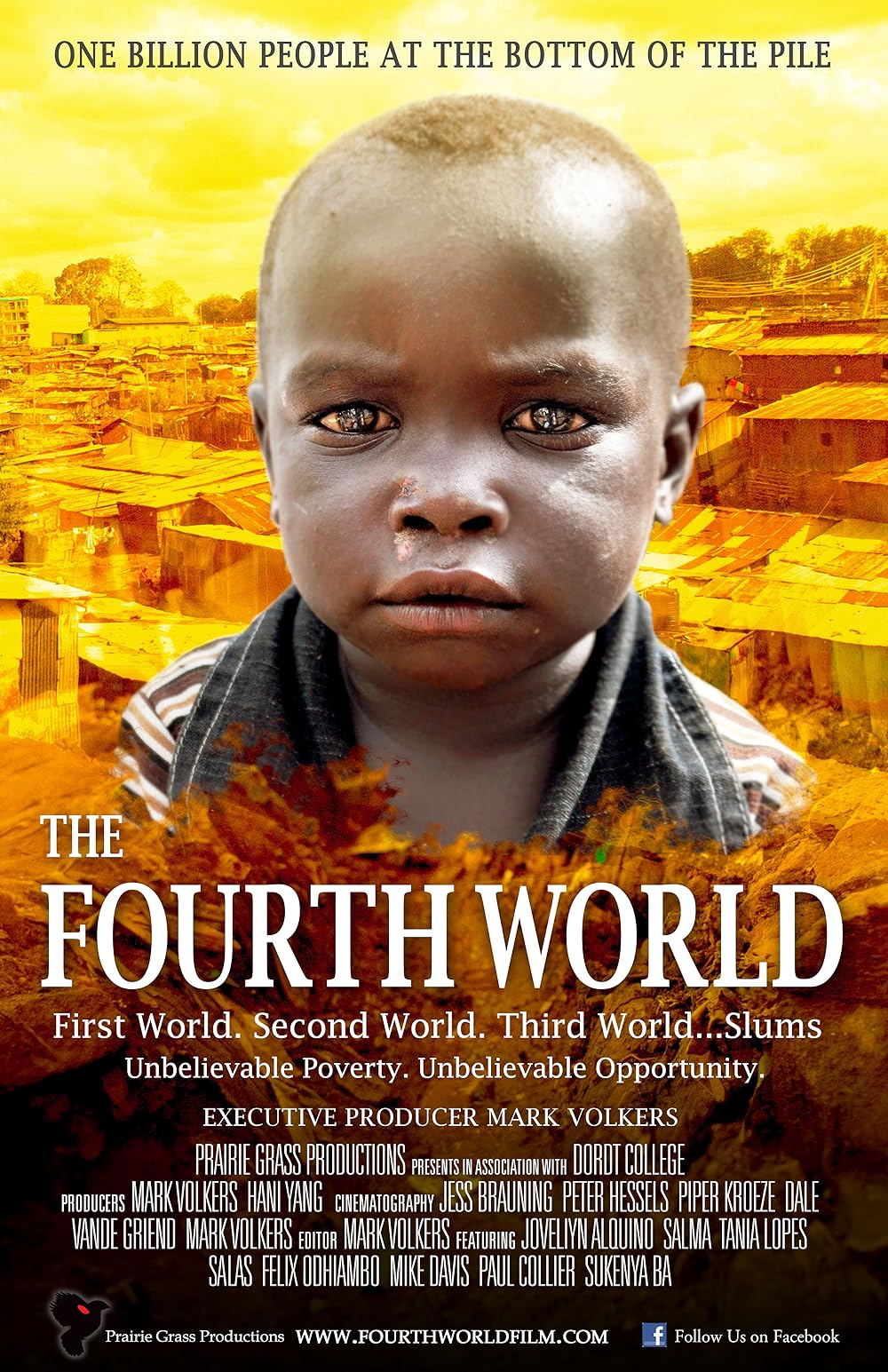
A quick look at the slums of Nairobi, Guatemala City, and Manila.
Bande-annonce
Casting
Mark Volkers
Director
Mark Volkers
Self
Mark Volkers
Writer
Vous aimerez aussi
The Fourth World
TAKE OVER
Take Me to the River
Henry Gamble's Birthday Party
The Story of God with Morgan Freeman
Mysteries Unearthed with Danny Trejo
Les aventures extraordinaires de Bertie Gregory
Beauty in Black
Ambitions
The dawn of Olympus son of apollo
the rise of lycan queen
Avatar, le dernier maître de l'air
not the bride he wanted
Runaway Single Mom, Safe in His Arms
Reborn
zodiac epoch
Cheerleader and the Beast
Married to the Hidden Dragon King
The Road Through Fire
All the Queen's Men
All American
Snowfall
Squid Game
Into the Badlands
Commentaires
8 commentaires
source: The Fourth World
source: The Fourth World
source: The Fourth World
source: The Fourth World
Narrator states that world population at the time of the French Revolution was 20 million, whereas it was actually close to 1000 million. Such an obvious and easily checked, and huge, error puts the rest of the film's numbers in doubt. That said, the point of the film, that slums house a significant and growing percentage of the world's population, seems sound. Some of the filming/editing techniques, rapid pans, slow-motion, were distracting. They seemed like ways to show off a video skill rather than to add anything useful to the movie. Narrator felt it necessary to divide several statistics into per year, per month, per week, per day, per hour, per minute, per second {I may have exaggerated slightly}, which was tedious and pointless.
I like documentaries in general; they provide a look at a slice of reality in a unique way that helps to position thinking, belief, and even action. However, often there's a typical "documentary style" that becomes routine, in which the subject of the film is analyzed for detail and the humanity becomes secondary. Such coldness is not universal, of course, but for my friends who dislike the documentary genre, this style is often what they point to as problematic for them. It's the old "show vs. tell" dynamic at play, and when a documentary only tells, it misses the heart of the issue. The Fourth World has plenty of heart, and it breaks down this concept of "standard documentary" by detailing the lives of specific individuals within each of the three communities. If the goal is to make this "fourth world" of poverty and slum living real and relatable to viewers in the "first world," this film does so quite effectively. Instead of showing the poverty of Guatemala's slums via architecture, dirt, tattered clothing, and an objective eye, this film takes us through the life of one courageous woman who faces multiple hurdles in life and faith. Without such a direct, focused, relatable person at the heart of the story, talking about slums becomes only a mildly interesting academic exercise. The film handles other slums around the world in similar fashion, and no viewer can remain unmoved by the plight and the success of the people featured. Full of evocative cinematography, focused storytelling, and strategic character development, this is a great example of a film that models showing instead of just telling. It's a film that can change lives by showing the humanity and reality of other lives.